1971 · Press freedom
The Pentagon Papers case
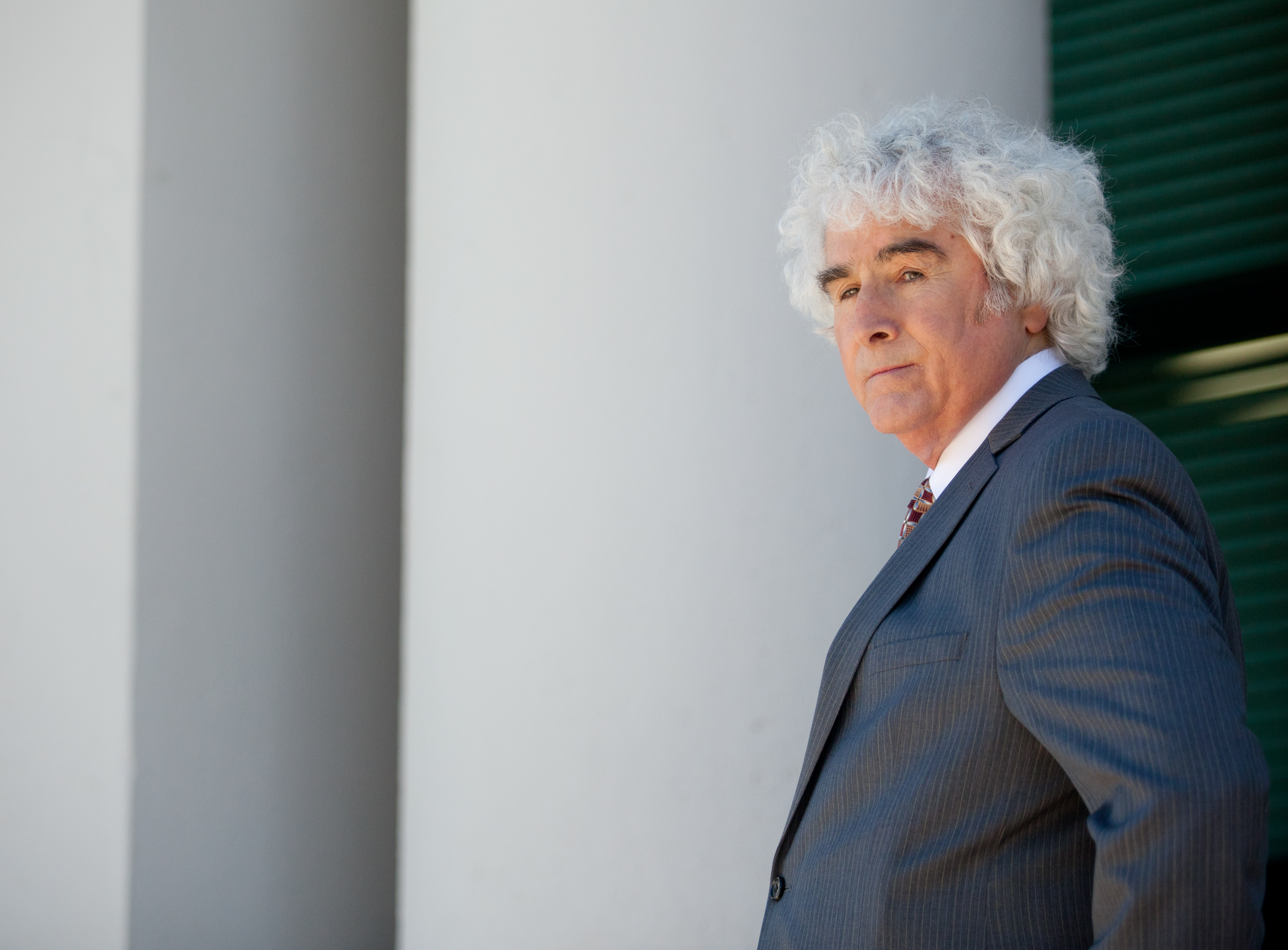
New York Times Co. v. United States (1971) established that the government could not stop the press from publishing a classified history of the Vietnam War. Danny Sheehan, then a young First Amendment lawyer, worked on the Times’ side of the case.
What happened
In June 1971 The New York Times began publishing excerpts of a secret Defense Department study of U.S. decision-making in Vietnam, leaked by military analyst Daniel Ellsberg. The Nixon administration went to court and won a temporary order stopping publication, the first time a federal court had blocked a newspaper from printing a story on national security grounds.
On June 30, 1971 the Supreme Court ruled 6 to 3 that the government had not met the heavy burden required for prior restraint, and the Times and the Washington Post resumed publishing.
Danny’s role
Danny was an associate First Amendment counsel at Cahill, Gordon, Sonnett, Reindel & Ohl, the New York firm that represented the Times, from 1970 to 1972. He worked on the case with the Times’ legal team, including Floyd Abrams, constitutional scholar Alexander Bickel and Times general counsel James Goodale.
The next year he worked on In re Pappas, one of the reporters’ privilege cases the Supreme Court decided together with Branzburg v. Hayes (1972), and he is listed on The New York Times’ brief. The Court ruled 5 to 4 that the First Amendment does not let reporters refuse to testify before a grand jury, a decision that led many states to pass shield laws.
Watch Danny’s lectures on this case
- The Pentagon Papers case (April 19, 2012)
- The New Bedford riots and protecting confidential news sources (April 17, 2012)
From his UCSC lecture series. All lectures.